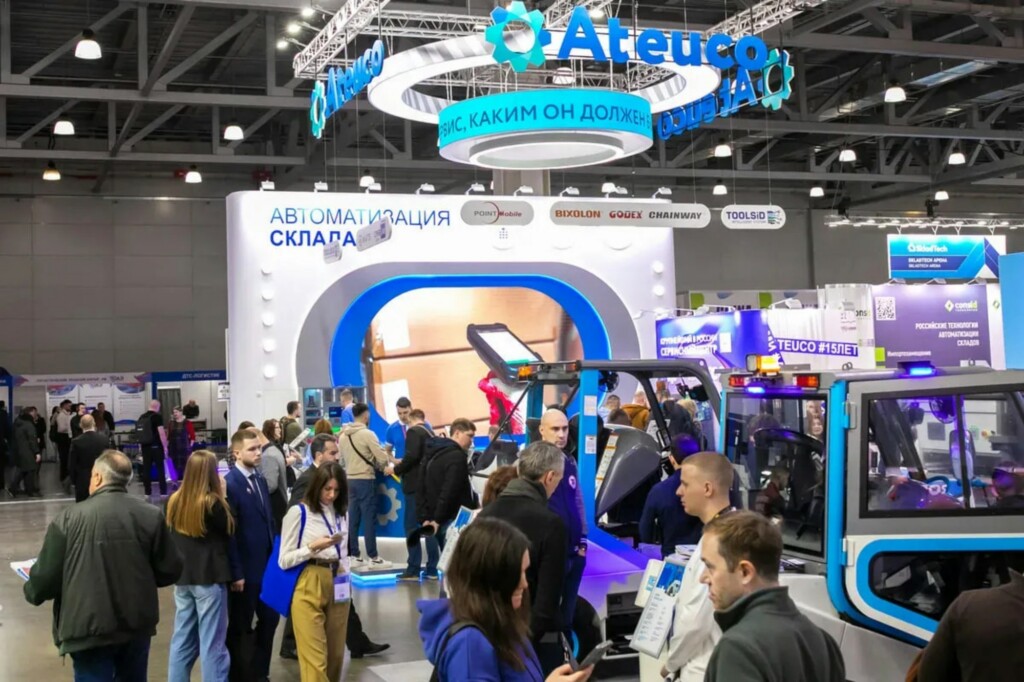
The tourism trade show and its timed meetings
Quebec’s tourism industry has long used a trade exchange format distinct from the traditional exhibition trade show. Rather than buyers moving freely from booth to booth, this format seats buyers and rotates suppliers through on a precise timed schedule.
The Bienvenue Québec event illustrates the scale this format can reach, with close to 215 tourism suppliers and buyers from several countries generating more than 8,000 business meetings in just a few days through this timed-meeting formula, according to an official event press release .
This format guarantees each supplier equal speaking time with every buyer present, eliminating the problem of uneven lineups typical of traditional exhibition trade shows.
The format’s success largely depends on how precise the schedule is. A delay building up in the very first rotations can quickly throw off the entire day, a challenge that long-time organizers, like those behind Bienvenue Québec, generally solve through clear signage and audio reminders between each block of meetings.
Matching inbound agencies, tour operators and regional suppliers
Beyond the timed format itself, the quality of meetings also depends on how relevant the matchmaking is among the profiles present. An eco-tourism supplier gets little benefit from a meeting with a tour operator focused on urban packages, no matter how much timed slot they’re given.
A profile completed before the event helps steer meetings based on precise criteria:
the type of clientele served: groups, individuals or custom trips
the regions or destinations already represented in the supplier’s offering
the source markets targeted by the agency or tour operator, domestic or international
the accommodation capacity or volumes sought on either side
This risk of mismatch grows with the size of the event. A trade show bringing together more than 200 suppliers and dozens of international buyers, as is the case for the largest Quebec tourism gatherings, can no longer afford to leave matchmaking to a fixed grid, at the risk of multiplying meetings with no real business value for either party.
Structuring a digital speed-meeting agenda
A digital matchmaking system makes it possible to translate the logic of traditional speed meetings into a platform that automatically generates each participant’s personalized agenda based on compatibility criteria defined in advance.
This approach considerably reduces the manual coordination work usually required to organize hundreds of timed meetings among dozens of participants in a single day.
The table below compares a manually organized speed meeting with a format supported by a digital platform.
Aspect
Manual speed meeting
Digital speed meeting
Assigning meetings
Fixed grid, often generic
Personalized agenda based on compatibility
Last-minute adjustments
Difficult to manage
Automated based on availability
Post-event follow-up
Based on handwritten notes
Based on digitally exchanged profiles
Scalability
Limited by paper logistics
Suited to large numbers of participants
Our matchmaking actors benefit from this kind of feature to structure large-scale sector meetings, such as those required by a major tourism trade show.
Measuring transactions generated after the event
A well-structured tourism trade show makes it possible to track not just the number of meetings held, but also the business deals that result, a far more telling indicator of the event’s real success than attendance alone.
An all-in-one event platform makes it easier to centralize this kind of reporting, helping with accountability to financial partners of a regional or national tourism trade show.
Making your next tourism trade show a success
A tourism trade show makes the most of its format when meetings between travel agencies and suppliers are structured in advance, based on precise compatibility criteria, rather than left to the luck of the booths. The timed-meeting format, already well established in Quebec’s tourism industry, becomes even more powerful when backed by digital matchmaking.
Organizers who want to structure this kind of event can request a demo of the platform to see how it can be adapted to their tourism trade show.
Frequently asked questions
What is a tourism trade show organized around timed meetings?
A tourism trade show organized around timed meetings, also called a trade exchange, seats buyers and rotates suppliers through on a precise schedule, rather than letting buyers move freely from booth to booth. This format guarantees each supplier equal speaking time with every buyer present at the event, regardless of the supplier’s brand recognition or company size.
How can regional tourism suppliers be effectively matched with the right buyers?
Completing a detailed profile before the event, specifying the type of clientele served and the destinations represented, helps steer meetings based on real compatibility criteria. Digital matchmaking automates this prioritization, rather than relying solely on a fixed, generic meeting grid that treats every supplier the same regardless of specialization.
What results should be measured after a tourism trade show?
Beyond the number of participants, it’s worth tracking the number of meetings actually held and, above all, the business deals or room nights generated as a result of the event. These indicators paint a much more accurate picture of a tourism trade show’s success than on-site attendance alone, particularly for justifying the investment to the event’s financial partners.