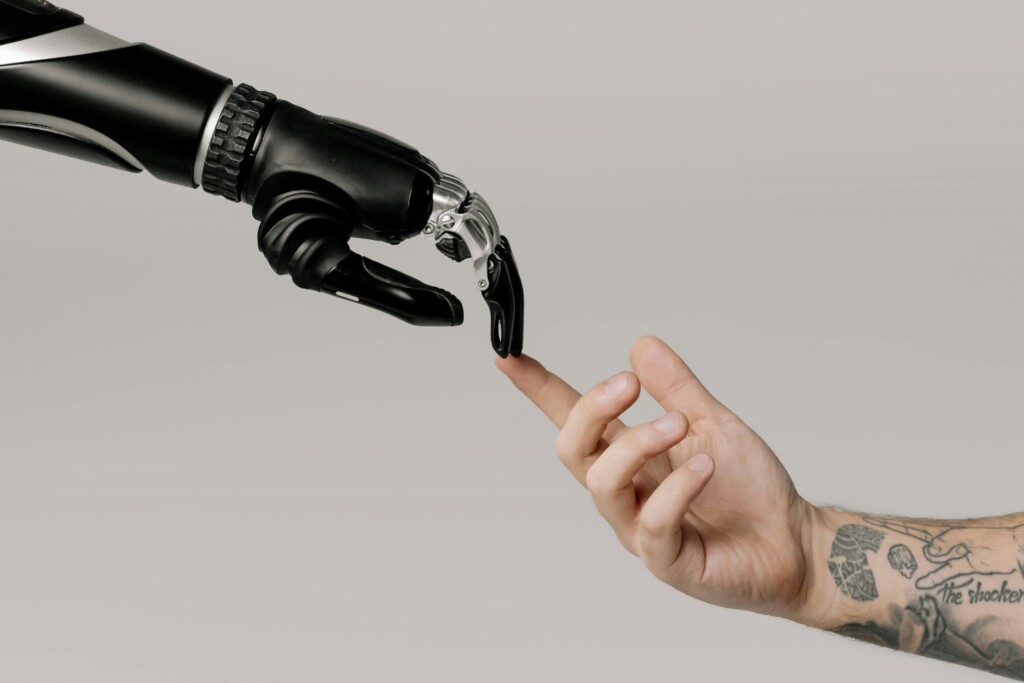
But this transformation raises a question too many organizers avoid asking directly: how far should you automate? When does technology genuinely improve the attendee experience — and when does it start to degrade it?
The answer isn’t ideological. It’s pragmatic. Some tasks are better performed by algorithms. Others require irreplaceable human presence. Confusing the two, in either direction, is costly.
What technology does better than any human team
Registration management and mass communications
A well-configured event registration system does in seconds what an administrative team would spend hours accomplishing. Automatic confirmation, delivery of practical information, staggered pre-event reminders, waitlist management, real-time capacity updates — all without human intervention.
Attendee engagement begins well before event day. A well-designed automated communication sequence prepares your participants, sustains interest, and reduces drop-off between registration and actual attendance. That’s event automation that creates real value, not just operational efficiency.
B2B matchmaking and meeting facilitation
This is where event automation produces its most spectacular impact. A professional matchmaking algorithm simultaneously analyzes dozens of variables — industry, declared objectives, organization size, specific needs, potential complementarities — and generates personalized B2B meeting agendas for each participant in seconds.
No human team can do this at scale. An event with 300 participants represents potentially 44,850 possible meeting pairs. A human attempting to manually select the best combinations would inevitably produce a less relevant, less consistent result — and would take incomparably longer to produce it.
This is precisely what B2B/2GO was built for: an intelligent matchmaking system that handles this complexity automatically, so each participant receives an agenda of qualified connections genuinely relevant to their business objectives.
Event data collection and analysis
Manually tracking who met with whom, for how long, and with what outcome is impossible at the scale of a real B2B event. Modern event management platforms capture this behavioral data automatically and transform it into actionable event KPIs: attendee engagement rates, matchmaking performance, connection patterns, real-time satisfaction.
This automated post-event analysis is the foundation of rigorous continuous improvement. Without it, every edition essentially starts from scratch.
Repetitive operational logistics
Event accreditation via QR code, room and time slot management, automatic delivery of post-event documents, post-event survey collection — all of these repetitive operational tasks are better delegated to technology. They free your team for what genuinely needs human attention.
What technology cannot do — and shouldn’t try to
The welcome that sets the tone for the entire experience
The first five minutes of a participant’s time at your event determine their disposition for the rest of the day. A warm, personalized welcome that makes each person feel expected and valued — that can’t be automated.
The event app can send a welcome notification. It can’t notice that a participant looks lost and go offer help. It can’t create the human moment that transforms the social anxiety of a first event into comfort and openness.
Welcome teams trained to approach people — rather than wait to be approached — are an investment in attendee experience that no digital interface will ever replace.
Managing unforeseen situations and tensions
A speaker who cancels six hours before the event. A dissatisfied participant expressing frustration publicly. A conflict between two participants during a structured networking session. A technical failure that compromises part of the program.
These situations require judgment, flexibility, empathy, and the ability to improvise solutions in real time. No event management tool can handle the unexpected with the nuance it requires. Technology can alert. Only a human can resolve.
Relationships with strategic partners and sponsors
Local sponsorship, partnership with a key organization, a relationship with a prestigious speaker — these are built in conversations, not in automated workflows. Event automation can manage administrative confirmations and routine follow-ups. It cannot replace the lunch where you explain to your sponsor exactly why your audience is theirs, and why this partnership deserves to be renewed at a larger scale.
Facilitation and in-room animation
A good facilitator reads the room. They sense when a discussion deserves more time than the program allows. They identify the quiet participant who has something important to contribute and create the space for them to say it. They adjust pace according to collective energy.
Real-time question and polling tools are excellent allies of the human facilitator. They don’t replace them. The difference between a memorable business event and a forgettable one often plays out in these real-time adjustment moments that only a skilled human can orchestrate.
Personalized post-event commercial follow-up
Automation can send a follow-up email to all participants within 24 hours. That’s not commercial follow-up — it’s mass logistics. The real follow-up that transforms a B2B meeting into a concrete commercial opportunity is a personalized conversation that references what was actually said, proposes something specific, and positions the next step naturally.
That conversation cannot be auto-generated without sounding hollow. And hollow follow-up is often worse than no follow-up at all.
The guiding principle: automate processes, humanize moments
The fundamental distinction isn’t between important tasks and secondary ones. It’s between processes and moments.
A process is a predictable sequence of steps that produces a standardized result. Registration, confirmation, reminder, data collection, reporting — these are processes. Automate them without hesitation. Your team adds no value manually sending the 247th confirmation email of the day.
A moment is an interaction with the potential to change a participant’s perception, experience, or relationship with your event and your organization. The welcome, the resolution of a problem, the impromptu conversation with a speaker, the personalized follow-up — these are moments. Guard them jealously from automation.
The B2B events that perform in 2026 are neither entirely human nor entirely automated. They are strategically hybrid: smooth, invisible processes that free human energy for what truly matters. Event technology in service of the human — not in place of it.
One question to ask before automating anything
For every task you’re considering automating, ask yourself: could a participant tell the difference between an automated version and a human version of this element? And if so, does that difference positively or negatively affect their experience?
If the answer is “no, they won’t notice the difference” — automate. If the answer is “yes, and the human version is better” — keep the human. If the answer is “yes, and the automated version is better because it’s faster, more accurate, or more personalized at scale” — that’s exactly where the right attendee management tool changes everything.